As I look back over the years, these are the items that were the most appreciated and long-lasting. If you have a homeschooling family to buy a gift for, you can’t go wrong with any of these.
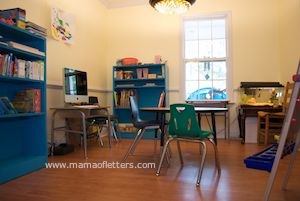
A school table and chairs. An adjustable table and comfortable school chairs was a gift I greatly appreciated when my kids were young. We still use it to this day, although after we lifted the table to its maximum height, my husband had to put new legs on it for my tallest teenager! I know some homeschoolers use the kitchen table, but having a separate school table allowed us to leave projects or school work out, and this made going back to work easy. When my son was working on a project, seeing it on the table always invited him to finish it too.
A membership to an aquarium, museum, or other venue. Homeschoolers take advantage of local venues to give their kids hands-on and meaningful learning experiences, but this is expensive. Yearly memberships make it more affordable. We would get a membership to a different venue each year and go as often as we could. Our kids learned so much that way, and they met adults who had interesting jobs and could talk to them about science or art, etc. I can’t emphasize what a great gift this would be for a homeschooling family. In addition, many memberships come with reciprocal benefits. For example, by being a member of our local botanical garden here in Georgia, we could get into the Chicago Botanic Garden for free when we visited relatives in that area.
Quality art and craft supplies. All homeschoolers need art and craft supplies whether or not the kids are into art. These items come in handy for science experiments, making posters, dioramas, books, or any kind of graphic that would showcase what a child learned. But all kids should be able to have fun and get creative. Learning about art and drawing techniques are skills that everyone can benefit from, and fostering creativity will help kids problem solve and think for themselves. While individual art supplies aren’t very expensive, buying them continually over the years can add up, so buy sketchbooks, quality pencils, paints, paintbrushes, modeling clay, cloth and sewing supplies….and then just walk up and down the aisles at your local craft shop and look at all the interesting stuff you can add to their collection. You never know what they might be able to create with it!
What are some of the best gifts you’ve received as a homeschooler?
Some kids will be natural builders. They will gravitate toward toys such as blocks, Legos, Zoob pieces, Tinker toys or many others that are available. They can also do wonders with cardboard and lots of tape. They like building, making, and creating. Let them do this to their heart’s content. There are other kids who may not like building, or they just do it a little. That’s okay too. Let kids do what they want when they have free, unstructured time.
Supporting the little makers is perfect project-based homeschooling territory, and over time, it may help you see how these techniques work.
Every parent wants their child to be independent and do things on their own, but that’s not going to happen until well into adulthood. So don’t think that when I say “fostering independent learners” or something similar, it means that you need to let your kids struggle or always play alone. On the contrary, when you follow project-based homeschooling techniques, you’re going to be available to your child and offer them the support they need.
During the time you set aside for your child’s projects, you can consider your child the boss, and you’re the employee. Your child gets to tell you what they want to happen, and you can do it for them. This is especially helpful when your child is little, and they may not have the manual dexterity to create what they envision. The important thing is not to take over your child’s project. Just ask them what they need you to do and don’t do anything else.
Don’t wander off or look at your phone during this time unless it becomes clear that your child doesn’t want you there. Sit there and let them know you’re available to help. Be interested in what they are doing. You can show interest by asking them questions about what they are building, but sometimes they’ll be happy if you just watch. Be enthusiastic. Just taking 30 minutes to an hour to sit by your child’s side even if they don’t need you to do anything will show your child you love and support them!
You can sometimes make suggestions, but I recommend waiting until they’re a little stuck or having a hard time accomplishing something. Always hesitate and ask questions. Wait and watch to see if they can figure it out on their own. Project-based homeschooling is about letting your child do the work when they can. You may think your child could not possibly figure out a way to fix a problem, but they might surprise you. I know there were a few times when I was working with my son, and I could see an easy way to make whatever it was he wanted, but I didn’t say anything. I saw him start doing something that I didn’t think would work, but then guess what? He made it work! His mind was working differently from mine, but his way worked just as well.
Of course, there were also times he got frustrated, cried, and I wondered what the heck I was doing. This is definitely a long road and takes practice for the parent. You are getting to know your child, learning when to step in and when to back off.
Do you have a little maker? I’d love to hear about them!
It’s not always helpful to tell parents “don’t worry” and “you’ve got this.” For some parents, it comes natural to take the relaxed approach to homeschooling, but at some point, every parent wants to see the positive results of homeschooling. If they relax too much, will they see results?
It truly depends on what your goals are for your family and your kids. As you begin homeschooling, I would have a serious talk with your partner or spouse about what you hope the end goal is for your kids. In other words, what are you preparing them for?
Are you preparing them to attend the local high school? Or maybe you just want to homeschool for the elementary years? If so, homeschooling may look different for you than for the kids who are going to homeschool K-12. Do you want them to find what fulfills them? Do you want them to be capable of finding a full-time job and supporting themselves? Do you want them to attend college? A local college or a top university? Is your main goal to foster kind, generous, productive citizens? Preparing them for one thing doesn’t mean you won’t be preparing them for all these other things, but it will give you a kind of compass when you sit down to make your homeschool plans. Also, you can be flexible as your kids grow and they begin to form their own ideas about what they want.
Frankly, I don’t think any goal is wrong as long as it’s not too rigid and the expectations aren’t too high or too low. Different parents have very different opinions about what they want for their kids. Some push their kids to succeed in a lucrative field and don’t offer any other choice. Other parents think that’s a terrible way to parent. I’ve met enough families to realize that all parents hope their kids will be happy even if they don’t believe that should be the end goal. Depending on culture and personal history, pushy parents have their reasons. Sometimes it’s the not-so-pushy parents who had pushy parents themselves, so now they are more of a I-just-want-you-to-be-happy kind of parent, but then they end up not giving their kids much guidance or practical skills.
I think there’s always a middle way. And to save your sanity, you need to take the middle way while homeschooling. Don’t stress out watching what other parents are doing and knock yourself out trying to do those things too. Don’t buy the curriculums that look good but are not a good fit for your child. Don’t join every activity or worry about trying to make a dozen friends for your homeschooled kids. If you feel overwhelmed, relax for awhile and enjoy this extra time with them.
Then you can think about what your “hope for” goals are. Observe your kids and think about what skills could benefit them in the long-term, and if they show interest in something, start to think about what you could do to support that. Maybe you can find some other kids with similar interests. But don’t go overboard. You can let things unfold naturally, but doing some research and keeping a folder of opportunities for the future isn’t a bad idea either. [When your kid does participate in activities, projects and great field trips, keep good records because you never know what your kid might want to apply for someday.]
As for figuring out how to teach the school subjects, take your time researching one subject at a time. What seems like a good resource for your kid? If they are already reading all the science books from the juvenile section of the library on their own, maybe you don’t have to worry about teaching science yet. What do they struggle with? That’s the area you want to focus on. Spend time researching and trying out different curricula, but be prepared to put aside what doesn’t work. If your child is young, maybe all they need is to wait a year or two before you try again. If they are in high school, maybe it’s time to hire a tutor, so you don’t have to worry about doing it yourself.
There are so many more resources available to homeschoolers now than when I started homeschooling, and some of them are extremely affordable. A lot of kids excel in one or two subjects and don’t do as well in another, so finding that right balance for your kid is essential. You shouldn’t feel like you have to teach every subject, especially if you don’t feel confident in that area, or your child struggles in it. You can also lower your expectations. Maybe they will never be a math whiz, but they are great writers. Support that. As for math, find out how much math they’ll need for whatever their goals are and don’t expect them to go beyond that. (Assessing this is easier in high school.)
You may not be able to achieve what that other family is doing, but you will be able to achieve your own family’s goals, if you are sensible and, yes, you relax! It may sound contradictory, but by taking the time to think about your goals, your kids’ goals, and the resources available, you will feel more relaxed. Make a yearly ritual of reevaluating your goals, such as spending a few days each summer thinking things through and discussing the year ahead with your family. Then you can relax and do what is most important: spend quality time with your kids. Ultimately, homeschooling is about fostering good relationships with your kids, and when kids have good relationships, they are more likely to succeed in life. I don’t know what parent wouldn’t be happy with that.
I hope you’ll reach out, if you would like someone to talk to about the possibility of homeschooling.
I hear some parents who like the idea of homeschooling, but they don’t think they can do it. They say they don’t have the patience. While it’s up to you to decide what you can or can’t do, if you’re on the fence, I think you should go ahead and try for one year. There really isn’t much to lose.
These are three reasons I know you can do it:
Love. If you love your kids and know homeschooling is in their best interests, you’ll be motivated. No one is more important than your child, right? For many kids, homeschooling could be the chance of a lifetime to be themselves, find interests that motivate them to work, and it can also give them the chance to master skills that will benefit them as adults. Let’s face it, traditional school makes kids spread their time too thin. For some, it works, but for many, it does not. They leave school not knowing what they want to do, so they end up floundering until their late 20s until they find what motivates them.
Time is something we can all use more of, and giving your kids the gift of time when they are young is one of the most loving gifts you can give.
Resources. If you want to homeschool, this is a great time to do it. The resources for homeschoolers have probably tripled since I began homeschooling. Most of them are very affordable, and some of them are free. I think for the first few years of elementary school, you could get everything you need at the library and off the Internet. I can’t imagine what will become available in the next few years. So don’t let your doubts about how you’re going to teach stop you from homeschooling because you’ll find lots of help. (I hope you’ll begin by exploring some of the help I offer here on this website.)
There is room for mistakes. It’s the long view. Finally, I know you can homeschool because unless you’re starting in the 11th or 12th grade, you’ve got plenty of time to figure everything out. You will make mistakes, but that’s okay. Remember the resources I told you about? You can toss the ones you don’t like and find new ones. You can also go at your kids’ pace. You set the milestones — not a school. You can figure out when to challenge your kid and when to give them more time. Homeschooling is a lifestyle, and you can take the long view. What are your goals for your family? What are your kids’ goals? Start with helping your kids find what they’re good at and what motivates them to learn. If you can do that, you’ll figure the rest out.
This isn’t to say it’s easy, and it can help to have someone to chat with about homeschooling. I would love to help you, if I can. Contact me at any time.
Every homeschooling family is different. If you are going to home educate, you must not compare yourself to other families.
You can let other families inspire you, and you can get good advice from other homeschool families, but you don’t have to do it the same way. You need to know your limits, and if you own up to them, that’s not a failure. If you lack the ability to provide an important element of a good education in your homeschool, it is not a failure to ask for help, outsource it, or even decide to try school.
Every parent is going to have something they are good at, and you probably have super powers that you don’t even realize. Other mothers may be looking at you wishing they could do what you do.
I know for me, I used to want to be one of those mothers who sat and read books all day with my kids. I like to read, and my boys like reading, but we’re not a sit-on-the-sofa reading most of the day kind of family. And when I think about, I don’t really want to do that anyway. It just sounds good, especially on days when I could use some more rest.
I know mothers who are so patient, and they seem like good teachers. All they need is a good curriculum, and they can lecture and teach the material to their kids. I don’t feel that’s me. Maybe it was when my boys were younger, but as they get older, I spend a lot of time figuring out resources that will help them teach themselves with less support from me. It’s not because I don’t want to teach but because it’s beyond my abilities now. My role is more of a facilitator and organizer and problem solver in these later years.
I also know mothers who come up with incredible projects and unit studies, and they work on those together, exploring fascinating subjects. I sometimes think I would like to do that. Maybe I did a little when the boys were younger? (Everything was so much easier when they were younger!)
To be honest, part of the reason it’s easy for me to do child-led learning is because I don’t like coming up with the ideas! But this means we have many days when we’re not doing anything interesting. (I mean, not interesting enough to write about in a blog post. Most days are kind of the same.)
You should ask yourself: what AM I good at? Maybe you’re a fantastic cook, and you have inspired your kids to cook with you. Maybe you’re athletic, and you and your kids are outside on the trails every chance you get. Maybe you’re brilliant at crafts, and you’ve inspired your kids to build their own toys. Maybe you have a mind for business, and you have helped your kids start selling their crafts at a local market. Or maybe you just like hanging out together, and you give your kids a lot of quality time going to interesting places.
No matter what it is that you’re good at, it will be good for your kids. What they need is a guide who is loving and kind and has their best interests at heart….Not a jack of all trades or an academic genius.
Another one: maybe you’re good at research, and you pick the right curricula and resources that fit your kids needs…..that’s me. That’s what I’m good at. But it’s not very glamorous or blog worthy to show a picture of myself sitting at my computer doing research.
Maybe I’m pretty good at playing Wingspan more times than I can count too. 🤔😆
Today I’m reflecting on what I dislike about homeschooling after doing it for twelve years:
People make a lot of assumptions about you that aren’t true. One small assumption is that people tend to think we have lots of free time. As for other assumptions, I won’t go into details, but this is always the case when anyone does anything “off the beaten path.” For the most part, I have thick skin, but it can be hurtful sometimes.
In that same vein, I have been told that the reason my kids do well on standardized tests is because we cheat. WTF?! Note: People who lie and cheat tend to think other people lie and cheat, but there ARE many honest people out there, including us. One of the reasons we homeschool is so that we can impart good morals on our kids.
Three meals a day for four people = three sets of dishes to clean everyday. I mean, come on! If someone had told me before I got married and had kids how many meals I’d have to make or all the dishes I’d have to do, I may have decided to stay single. (Just kidding.) While I admire people who enjoy cooking, this isn’t for me. (Shout out to my husband who occasionally gives me a break by doing the dishes and getting take out!)
On a similar note, I’m not sure I ever realized how little time I’d have for myself, and even though I can make time, it can come at a price because there’s always something that’s not getting done, or someone is trying to find me, I’m forgetting that I need to make dinner, and my house is never truly clean. But who cares about that, right? I take breaks when I need to.
When we first started homeschooling, I found plenty of social activities for my boys, but it was hard to find friends who were kindred spirits. I didn’t find too many other kids who clicked with my kids, or the parent didn’t click with me, or our schedules didn’t match, or the interests of all the kids were different, etc…..I did find friends, but it wasn’t as easy as some homeschoolers have made it seem. Also, we live in a rural area, so that made it more challenging.
Overwhelm. Some days I drown in the overwhelm of taking full responsibility for two kids’ entire K-12 education. The curriculum choices are overwhelming…figuring out what works best is overwhelming…figuring out what I can let go and what I shouldn’t let go can be overwhelming.
Lack of time and funds to do everything. Trying to give the boys some free time while also making sure they do all their work and get some exercise is hard; I’ve never found that perfect balance. And then when you end up fostering awesome kids who have interesting life goals, and you realize you don’t have the funds to support all of it, that’s soul crushing. But I still wouldn’t have it any other way because without walking this unconventional path, I might not have these awesome kids.
To see what I love about homeschooling, click here.
Recently I gave a Zoom presentation on project-based homeschooling, and a question I received made me think about how I have never stopped using project-based homeschooling (PBH) techniques, but PBH looks very different in our home than it did ten years ago. I don’t think about the techniques anymore. My sons each have a project that has become more of a life goal, and my role is to support them on a higher level. In other words, our lives revolve around these activities. My own projects have evolved over the years, overlapping with the boys’ activities, so we learn and grow alongside each other.
Here are the current state of our projects:
My eldest son is a classical pianist, and at 16, it’s clear that he has his heart set on a career in music. I’m not sure what that will look like yet, but we’re sacrificing a lot to help him. As we do more research, we know what we can offer him may not be enough to catapult him to the place he dreams of, but he works hard, and I have no doubt he’ll carve out a life full of music making.
Urban Ecology Program with Birds Georgia
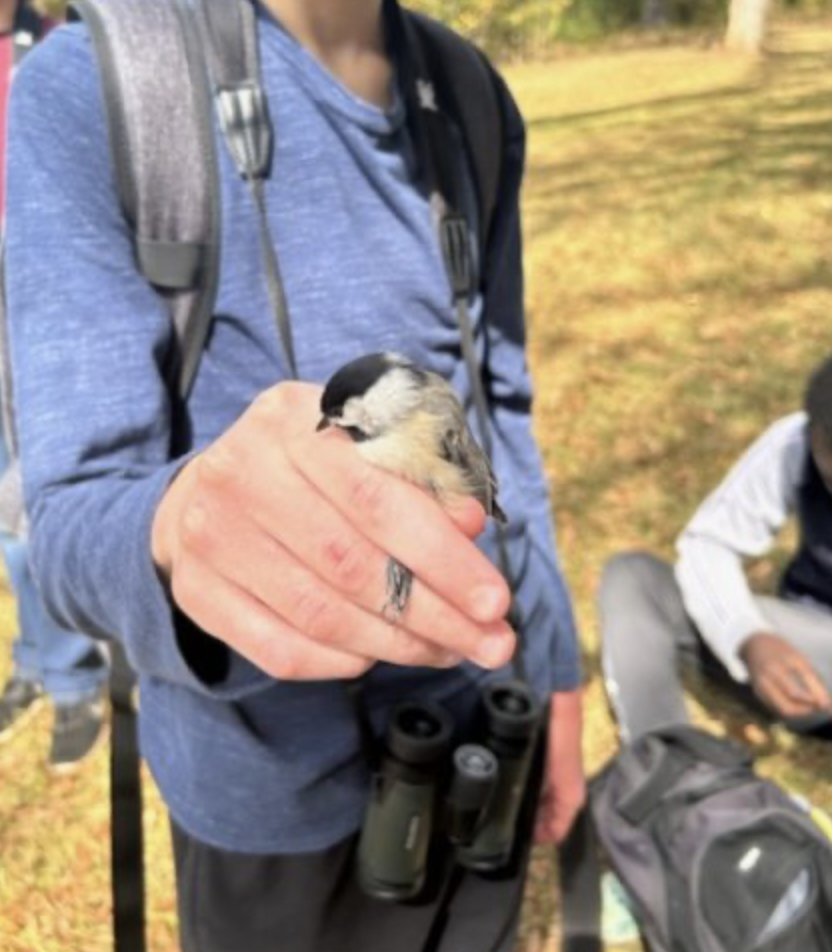
My younger son has been interested in birds since he was four-years-old, and it’s interesting for me to look back at how this interest has always been there, though there have been long periods when he hasn’t done much with it. Now that he’s 13, this is changing, and that’s largely because he’s old enough to join certain classes related to birds on Outschool and get something out of them. He also has an active YouTube channel where he shares his videos of birds. Recently he also got to visit a bird banding station in a program run by Georgia Audubon for teens. Now that he’s getting a chance to meet people with similar interests, I hope it’ll introduce him to many possible paths that will most likely include birds.
As for me, I’m thinking about what I can do to support the boys in these later years, yet I also know they are going to go by fast. So I’m wondering what life has in store for me when they don’t need me as a teacher/facilitator/coordinator anymore.
If there is one thing about project-based homeschooling, it’s that the learning never stops, the creating never stops, and the striving never stops. It’s a life-long endeavor. You have to find joy in the journey. Ultimately, the big project is creating a life that is worth living that also puts some good into the world. With the proper support, you can’t go wrong with that.
I’ve been homeschooling for over ten years, and now that I have some hindsight, it may be a good time to tell you what I love about homeschooling. Keep in mind that this is my experience; it may be different for other families. I may follow this up with a post about what I don’t love about homeschooling, but I’ll have to think about that.
So here are the top five reasons why I love homeschooling:
Flexibility. Whether it’s curriculum, taking time off, or giving my kids the time they need to master a subject, I would say that flexibility has been the best part of homeschooling. We are not on anyone else’s calendar. We can sleep in, if we need it. When Life gets hectic, we can take some time off. If I end up disliking the curriculum I bought, I can toss it and try another one. My boys can take their music lessons with their teachers during the school day, so we can get a good time for that, and we can go to the park or zoo when it’s not crowded. Since my husband’s time off from his work does not correlate with the public school calendar, that is a big bonus too. This doesn’t mean we aren’t busy. It means my family gets to decide how we use our time.
Out of the Box Learning. Although I try to match the traditional course of study as much as possible, I have a lot of flexibility in how I teach it, and if I can tell it’s not working for my kids, I can put it off or skip it. (If they hate it, they are not learning it.) We can learn so much in an informal way, such as through the documentaries we watch, visiting museums or conversations with knowledgeable people. My kids also like looking up the answers to their questions on the Internet, though they learn in many other ways too, such as through video games, T.V. shows, and, yes, books. Sometimes they surprise me with knowledge I didn’t even know they had. It’s amazing how good kids’ memories are when they are interested in something.
Going at their pace. I have nudged, and I have challenged, but I don’t force learning, and that makes a big difference. Take, for example, how my boys learned how to read. I started them off around the age of four or five with 15~20 minute reading lessons, and depending on how well they did, I either kept going or I took long breaks from teaching it. I took a full year off from teaching reading to my eldest son when I could tell he wasn’t ready for it, and when we went back to it, I spent 20~30 minutes a day teaching him how to read. I remember getting a little anxious and stressed about it. Would they ever learn? But I knew going at their pace was better than pushing it. Around seven-years-old, they started to get it, and then at age eight, they began reading perfectly. At nine-years-old, they started reading books without being told to read. I never made them read anything outside our short lessons, and I also let them read whatever they wanted. They both started with comic books and graphic novels. Now they are avid readers, and they read long novels or non-fiction on their own time. In fact, we can’t keep enough library books on hand for my younger son! I love this, and I hate to think how different it may have turned out, if they were in public school and forced to meet certain milestones in reading before they were ready.
Discovering interests unencumbered. If homeschooling parents give kids enough freedom, they have time and energy to discover what they’re interested in. Then they can begin to gain valuable skills. (If you’re lucky, this will prevent them from floundering for years as a young adult like I did.) I don’t think you have to be an unschooler to do this. I don’t unschool, but I have used project-based homeschooling techniques (PBH), which helped me see how I could give my kids the time and tools to create and explore while also teaching them subjects I thought were important. Some kids don’t want to explore or create. They may prefer reading or gaming. Others will keep trying new things and not settle on any one thing. That’s okay! Let them do that. You never know where it might go. Other kids may find something and wham! You can see that they’ve found their vocation. That happened for my eldest son, the pianist. The flexibility of homeschooling gives my son time to practice the piano, do his lessons, and just be a kid too. If you’d like to learn more about PBH, I am offering a class on it.
Close family ties. This is a byproduct I never thought about before I started homeschooling. I love how close we are as a family, and I love that my boys are best friends. They rarely squabble, and when they do, it’s amusing to watch. Since my boys are three years apart, I think things would have been very different, if they attended school. I’m grateful I have been there for every special moment and milestone, and I know my husband is too. (However, this doesn’t mean that we don’t need space from each other. When we need space, we have places to retreat to in the house.) This is an unexpected part of homeschooling that I wouldn’t trade for the world.
See what I dislike about homeschooling by clicking here.
What do you love about homeschooling? If you are considering homeschooling, what is holding you back?
Time plays tricks on us. There are days that I feel the swift passing of time. I turned fifty recently, yet I hardly feel fifty. Well, maybe my aches and pains tell me I’m fifty, but all the memories from my life are stacked up neatly in my brain as if they happened yesterday. Something might trigger a forgotten memory, and it will come alive as if I just lived it.
My boys grow taller. They both have deeper voices now. Weren’t they just chubby cheeked and needing more hugs? Weren’t they just knee-deep in projects that created chaos on our activity room floor?
I am being swept away in this river of time, and I can never get to the shore.
On the other hand, when I think about homeschooling, I notice how this is a slow life. We tend to want to speed it up. We want our children to learn how to read so that we can tick that off our list of anxieties:
“Can I teach my kid how to read? I think I can, but I won’t know until they start reading. Lesson time, kids!” But maybe our child isn’t ready to read, so we reign in our impatience and go at their pace. Slow and steady.
“When will I get around to teaching a foreign language? I have so many other subjects I need to teach.”
“Why are they having trouble with math? They weren’t having trouble last week. Is it the curriculum? Is it me?”
There is so much about this life that we won’t be sure about until it’s all over. Tests don’t tell us everything we’d like to know. This can be hard. For most of my homeschooling-parenting life, I have had a good dose of confidence with a heaping spoonful of insecurity — perhaps just enough to keep me on my toes.
For anyone venturing onto this path of home education, I would say that if you’re reading this, you’re probably reading other materials on homeschooling too. You’re probably doing a lot of research about your options and any particular issues that you are dealing with. If you’re doing that, then I have confidence that you’re a good parent, and you’ll be just fine. You may have bad days. You may have years that aren’t the greatest. But this a slow road.
You build an education for a child bit by bit, according to what he/she/they can handle. You won’t notice the progress until one day something jumps out at you. Your child might say something very kind, they may do something generous, and you’ll be awash with relief — you fostered a nice person! Another day, your child may be presented with a challenge that you have no control over, and — bam — they handle it beautifully. Or you may get those standardized test results and — whoa!– your child scored in the 95th percentile! You weren’t expecting that, but now you’re a happy homeschooling mom.
You’re never expecting it, but time will take care of all your worries. If you feel you need to try something else, trust me, you have time. Kids unfold like flowers, one or two petals at a time, and you’ll know what you need to do when you need to do it. Enjoy being home with your kids. Enjoy the slowness of this path. Enjoy the uncertainty too because tomorrow that one will be gone and there may be a bigger uncertainty looming.
Nothing stays the same, and while it doesn’t always feel like it, this river of time is swift. I’m going to drift along and see where it takes me.
Is time going too fast or too slow for you today? Please answer in the comments section. And if you need any help with homeschooling, I hope you’ll check out my store. Thanks!
We are almost finished taking our standardized tests this year, and for my 15-year-old, it’s the last year that I’m required to test him by law. Yay! But I’ll probably test him every year now because he wants to prepare to take the SAT. Although I didn’t like having to test him at a young age, as he has got older, I find it to be a useful tool. Although I hear how testing in the public schools can be stressful for teachers and students, at home I can create a relaxed atmosphere around the test taking.
Here is why I like administering standardized tests in my homeschool:
1. We can schedule the test whenever it works in our schedule. I always test my boys around May/June, and I test for the academic year they are in even if they haven’t finished all the coursework for that year. (We homeschool lessons year-round, if we find time during the summer.) But I can pick the week and make sure we’re free of other obligations.
2. We test over a few days, which is recommended by the manufacturers of the tests, so the boys only take one or two tests on any given day.
3. On the days we do the tests, I don’t require the boys to do any other lessons that day, although my 15-year-old did do more math homework in the afternoon this year.
4. Since all we have to do is take the test on those days, it gives us time to go for more walks and relax or do whatever those days. So it’s actually a less stressful day for us!
5. I always tell the boys to not worry about how they perform on the tests. It’s truly a tool for me to see which subject areas they may need a little more instruction in. But so far, it’s given me huge peace of mind that we’re doing good. 👍
6. For my eldest son, and also my younger, testing them every year starting at the end of middle school will give them practice for if/when they take the SAT/ACT. (By state law, I’m required to test them every three years starting in the 3rd grade and ending in 9th.) They already seem more relaxed about taking the tests. They like to tell me about the test and what they found easy or what they had to guess at. (The tests are written in a way that they couldn’t possibly know the answer to every question.)
Update: Now my kids have finished homeschooling, and I’m a retired homeschool mom! If you’d like to speak to me about my homeschool experience, sign up for a chat in my shop. You can also follow me by signing up for my newsletter.